
2026 SOUTH DAKOTA INDIAN EDUCATION SUMMIT
KEYNOTE & FEATURED SPEAKERS
Meet the voices helping guide this year’s conversations around culture, learning, belonging, history, and community.
Breakout Session Info will be added at a later date.
KEYNOTE SPEAKER
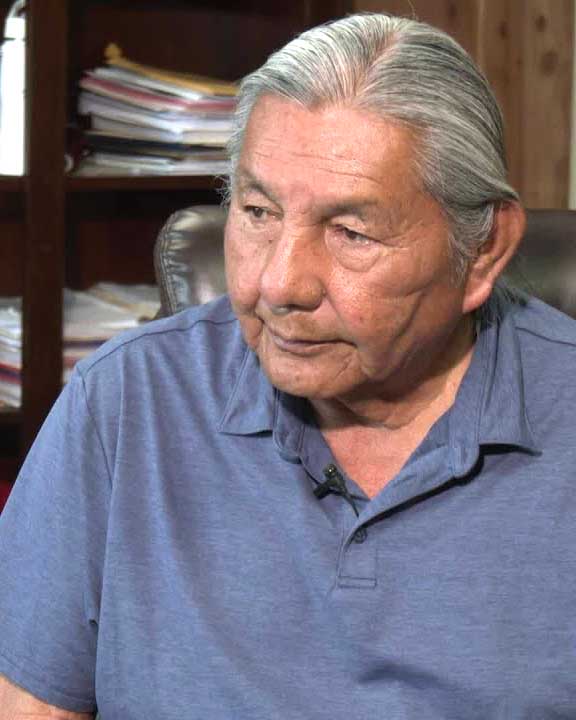
RUSSELL EAGLE BEAR
He once taught in a classroom. Today, he’s still teaching — about yesterday, today, and tomorrow.
Russell Eagle Bear is a prominent cultural liaison, historic preservation officer, and tribal figure for the Rosebud Sioux Tribe in South Dakota. His work has centered on teaching Lakota history, tradition, and culture and protecting places of cultural and spiritual importance. He has served as historic preservation officer and presidential cultural liaison for the Rosebud Sioux Tribe, advocating for sacred sites, tribal lands, and water resources. His work has also included efforts to bring ancestral remains home, including the return of children’s remains from the Carlisle Indian Industrial School.


Dr. Scott Simpson & Sharla Steever
Scott and Sharla are educators, authors, learning specialists, and co-creators of the CircleBridge Framework. With more than five decades of combined experience, their work centers on relational trust, intercultural growth, storytelling, and human-centered learning. Their long-standing work with Indigenous communities includes the WoLakota Project and Teachings of Our Elders.
FEATURED SESSION
Human-Shaped Learning and Indigenous Wisdom
REMEMBERING HOW HUMANS LEARN
What if the future of education depends not only on discovering something new, but on remembering something we have forgotten? Drawing on more than two decades of relationships with Indigenous Elders, educators, language keepers, historians, and culture-bearers, Dr. Scott Simpson and Sharla Steever invite participants to consider learning through observation and example, story and meaning, identity and belonging, and kinship, responsibility, and community. Through recorded voices, music, images, reflection, and story, the session asks participants to move beyond learning only about people, places, histories, and ideas—and consider what we might learn from them.
NOTICE. LISTEN. TEND.
Featured Session
FRANCIS WHITEBIRD
Lakota Language: Misunderstood, Misinterpreted and Misused
The Lakota language is far more than a means of communication. It carries generations of cultural knowledge, traditional teachings, values, and ways of understanding the world. Yet much of its deeper meaning has been misunderstood, misinterpreted, or misused, particularly when Lakota words and concepts are translated or interpreted outside their original cultural context. In this session, Francis Whitebird, a fluent Lakota speaker and Heyata Wicasa Sicangu Lakota Elder, will explore the four levels of the Lakota language and their significance in understanding its meaning and cultural depth. Drawing on his knowledge and lived experience, he will examine how language shapes cultural understanding, why important meanings can be lost or distorted through translation, and the importance of approaching Lakota language and teachings with accuracy and respect. Participants will gain a deeper appreciation for the relationship between language, cultural identity, and the preservation of Indigenous knowledge for future generations.
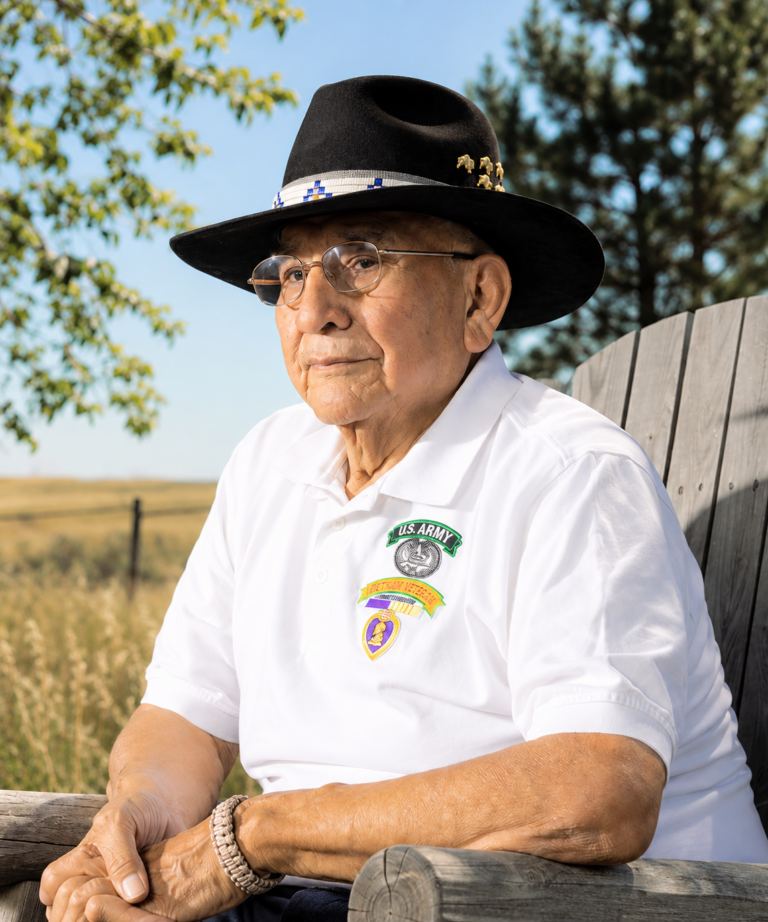
Francis Whitebird, a Harvard graduate, is a fluent Lakota speaker and language scholar. He learned the spiritual language from respected Lakota healers and spiritual leaders. Francis identifies four levels of Lakota language proficiency: foundational, conversational, advanced, and abstract. His presentation will deepen your understanding.